Course Summary
Child sexual abuse is a complex subject and supporting children who have been sexually abused can be emotionally challenging. The impact which sexual abuse can have on children from an emotional, personal and behavioural perspective is huge and children need specific approaches to support and ways of working to help them deal with the trauma which they have experienced and begin to rebuild their lives.
This training course explains the meaning of ‘abuse’ and ‘child sexual abuse’ and how this links into safeguarding from different perspectives of the profession. The course describes the meaning of the term ‘child sexual abuser’, challenges myths associated with the ‘characteristics’ of child sexual abusers and explains Finkelhor’s ‘Four Preconditions Model’ of a child sexual abuser.
This training course explains potential reasons which can cause some children to have increased vulnerability to the risk of being sexually abused including risks around trafficking and child sexual exploitation including vulnerabilities relating to age, stage and rate of cognitive development and how this may impact a child’s understanding of what constitutes sexual abuse or appropriate behaviour.
This training course considers how children may have been influenced to use sexual behaviour as a form of power and control and confirms the difference between ‘physical’ and ‘non-physical’ behaviours which can constitute sexual abuse, whilst identifying and compare different types of physical and non-physical behaviours .
This training course explains how the trauma of sexual abuse can impact on the emotions and resilience of children and how this can link into different emotions and perceptions and how these may impact on behaviours and reactions including the presentation of ‘concerning sexualised behaviours’.
This training course evaluates potential reasons why a significant amount of child sexual abuse goes unreported and how preventative was of working can aim to reduce the risk of child sexual abuse from occurring. This course also confirms the different ways which concerns may be raised about child sexual abuse including disclosures and allegations.
This training course considers how to support a child who has made a disclosure or allegation of child sexual abuse including different calming techniques which can be used when a child becomes anxious or panics as a result of ‘flashbacks’ or memories.
This training course confirms the importance of recording and reporting concerns of child sexual abuse, what the professional limitations are in terms of becoming involved in investigation.
Finally, this training course provides support strategies and safeguards for when specifically supporting a child who has been sexually abused including recognition for the importance of debriefing and self-care when supporting challenging and vulnerable children including the importance of physical and mental wellbeing. This course is a Level 3 accredited course.
Course Learning Outcomes
Below are the main topics covered in this course, expand each one to see the criteria.
- 1.1Explain the meaning of ‘abuse’ and ‘child sexual abuse’
- 1.2Define links between child sexual abuse and safeguarding from different perspectives of the profession
- 1.3Describe the meaning of the term ‘child sexual abuser’
- 1.4Evaluate myths associated with the ‘characteristics’ of child sexual abusers
- 1.5Explain Finkelhor’s ‘Four Preconditions Model’ of a child sexual abuser
- 2.1Explain potential reasons which can cause some children to have increased vulnerability to the risk of being sexually abused including risks around trafficking and child sexual exploitation
- 2.2Consider how stage and rate of cognitive development may impact a child’s understanding of what constitutes sexual abuse or appropriate behaviour
- 2.3Consider how children may have been influenced to use sexual behaviour as a form of power and control
- 3.1Confirm the difference between ‘physical’ and ‘non-physical’ behaviours which can constitute sexual abuse
- 3.2Identify and compare different types of physical and non-physical behaviours which can constitute sexual abuse
- 4.1Explain how the trauma of sexual abuse can impact on the emotions and resilience of children
- 4.2Define different emotions which sexually abused children may be feeling
- 4.3Explain how the trauma of sexual abuse can impact on behaviours and reactions
- 4.4Define different behaviours and reactions which may link to child sexual abuse
- 4.5Define the meaning of ‘concerning sexualised behaviour’
- 4.6Define the meaning of ‘sexual power and agency’
- 5.1Evaluate potential reasons why a significant amount of child sexual abuse goes unreported
- 5.2Explain how preventative was of working can aim to reduce the risk of child sexual abuse from occurring
- 6.1Confirm the different ways which concerns may be raised about child sexual abuse including disclosures and allegations
- 6.2Consider how to support a child who has made a disclosure or allegation of child sexual abuse
- 6.3State different calming techniques which can be used when a child becomes anxious or panics as a result of ‘flashbacks’ or memories
- 6.4Confirm the importance of recording and reporting concerns of child sexual abuse
- 6.5Know professional limitations in terms of becoming involved in investigations
- 7.1Consider strategies for working to reduce the risk of concerning sexualised behaviours
- 7.2Explain support strategies and safeguards for when specifically supporting a child who has been sexually abused
- 7.3Define the importance of debriefing and self-care when supporting challenging and vulnerable children including the importance of physical and mental wellbeing
Who is this course for?
This Child Sexual Abuse training course is designed for professionals working with children and young people including support teams, education professionals and foster carers.
Duration
1 day course - we can be flexible on start and finish times to suit your needs such as school run friendly times.
Availability
This Childhood Sexual Abuse: Support & Recovery Course is offered in two delivery formats:
- Remote Online: Led by a live tutor via Zoom or Microsoft Teams, allowing participants to join remotely. (Also known as virtual classroom training)
- Face-to-Face: Delivered in person at your location or a venue you arrange. (Also referred to as on-site training)
View a comparison of Remote and in-person face to face training .
Complete our quick enquiry form for a price and available dates.
Certification
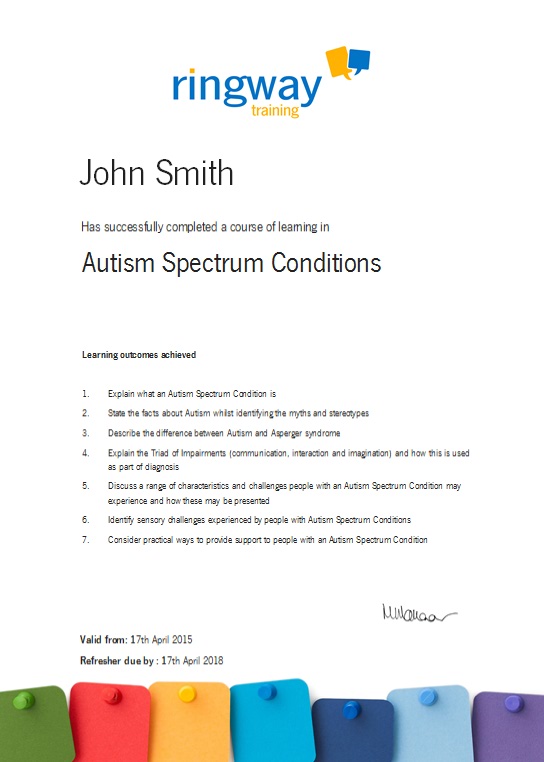
Each learner completing this course will receive a digital (PDF) certificate of learning.
Accreditation
The course contents are accredited by the Open College Network (OCN) Credit4Learning as a Level 3 course.
Choose the learning environment that works best for you: our expert-led training is offered in two convenient formats - remote tutor led online or in person face to face.
Flexible start and finish times to suit you. Contact us for available dates.
The course contents are accredited by the Open College Network (OCN) Credit4Learning as a Level 3 course.
Get a Price or more information...
Just fill in this quick form and we will email you an all inclusive price, don't worry we will never add you to any marketing lists - promise. If you want more information first thats great - just get in touch
Clear pricing
We ask for location (for face to face training) and approximate numbers because we include any expenses in the quotes we give so you get one clear price - no surprise added extras
More Information?
If you have any questions, want more information or interested in a series of courses please contact us
Contact Us