Course Summary
Sexual exploration and play are a natural part of childhood development which helps children to learn about themselves and their own bodies and identify, identity of others, social understanding and the diversity of relationships and the boundaries which exist within them.
There are many reasons why some children may present sexualised behaviours which could be considered to be outside of the age, stage and rate of development which would be expected and these behaviours can be of more concern to us and risky.
Sexualised behaviour impacts a lot of children who are in looked after support and, although the potential reasons for this are broad, it is often associated with early life experiences, sexual abuse and trauma.
This training course defines the meaning of and comparison between healthy, problematic and concerning (sometimes referred to as ‘harmful’) sexualised behaviour, explains the meaning of ‘peer on peer’ sexualised behaviour and identifies behaviours which could constitute both physical and non-physical problematic or concerning sexualised behaviour.
This training course explains how early life influences and attachment (including reactive attachment) can relate to causes of concerning sexualised behaviour as well as how cognitive development, educational and social opportunities and social media can influence sexualised behaviour.
This training course explains how early sexual experiences, access to inappropriate sexual material, observing sexual behaviour, experiencing sexual abuse, child sexual exploitation and trauma can relate to causes of concerning sexualised behaviour and considers the patterns in which problematic sexualised behaviour can escalate to become more concerning.
This training course describes the advantages and limitations of the ‘Ignore – Divert - Confront’ model for working with sexualised behaviour and explains the principles of the ‘Brook Traffic Light System’ for recognising concerning sexualised behaviours and working to reduce behaviours including ‘peer on peer’ behaviours.
This training course defines the requirements of a specific sexualised behaviour risk assessment and behaviour support plan and confirms the importance of documenting and appropriately sharing concerns relating to problematic or concerning sexualised behaviours.
This training course describes ways of working with young people and identifies the importance of safeguarding against allegations and debriefing as part of supporting young people who can present concerning sexualised behaviours.
Course Learning Outcomes
Below are the main topics covered in this course, expand each one to see the criteria.
- 1.1Define the meaning of and compare the difference between healthy, concerning and harmful sexualised behaviour
- 1.2Evaluate historic and recent theories relating to young people and sexualised behaviour
- 1.3Define the difference between physical and non-physical sexualised behaviour
- 1.4Explain the meaning of ‘peer on peer’ sexualised behaviour
- 1.5Identify behaviours which would constitute physical and non-physical problematic or concerning sexualised behaviour including ‘peer on peer’ behaviours
- 2.1Explain how adverse early life experiences can cause concerning sexualised behaviours to be presented
- 2.2Explain how age, stage and rate of cognitive development can influence sexualised behaviour
- 2.3Explain how experiencing sexual abuse, child sexual exploitation and trauma can relate to causes of concerning sexualised behaviour
- 3.1Recognise patterns in which problematic sexualised behaviour can escalate to become more concerning
- 3.2Describe ways of assessing risk and behaviour support planning
- 3.3Explain the principles of the ‘Brook Traffic Light System’ for recognising behaviour of concern
- 3.4Explain how age, stage and rate of cognitive development can influence sexualised behaviour
- 4.1Define safeguards required to protect children, support staff and others
- 4.2Confirm peer-on-peer safeguards when working with vulnerable children
- 4.3Describe ways of supporting and safeguarding sexualised children
- 4.4Identify the importance of teamwork, consistency and debriefing when supporting children who present harmful sexualised behaviours
Who is this course for?
This Sexualised Behaviour training course is designed for professionals working with children and young people including support teams, education professionals and foster carers.
Duration
1 day course - we can be flexible on start and finish times to suit your needs such as school run friendly times.
Availability
This harmful sexual behaviours course is offered in two delivery formats:
- Remote Online: Led by a live tutor via Zoom or Microsoft Teams, allowing participants to join remotely. (Also known as virtual classroom training)
- Face-to-Face: Delivered in person at your location or a venue you arrange. (Also referred to as on-site training)
View a comparison of Remote and in-person face to face training .
Complete our quick enquiry form for a price and available dates.
Certification
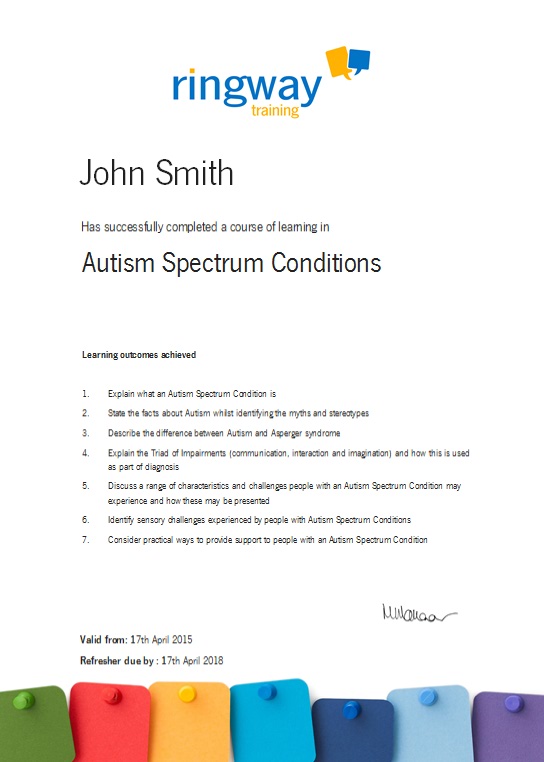
Each learner completing this course will receive a digital (PDF) certificate of learning.
Accreditation
The course contents are accredited by the Open College Network (OCN) Credit4Learning as a Level 3 course.
Choose the learning environment that works best for you: our expert-led training is offered in two convenient formats - remote tutor led online or in person face to face.
Flexible start and finish times to suit you. Contact us for available dates.
The course contents are accredited by the Open College Network (OCN) Credit4Learning as a Level 3 course.
Get a Price or more information...
Just fill in this quick form and we will email you an all inclusive price, don't worry we will never add you to any marketing lists - promise. If you want more information first thats great - just get in touch
Clear pricing
We ask for location (for face to face training) and approximate numbers because we include any expenses in the quotes we give so you get one clear price - no surprise added extras
More Information?
If you have any questions, want more information or interested in a series of courses please contact us
Contact Us